A clogged toilet is arguably the most stressful plumbing problem a homeowner faces — it’s urgent, unsanitary, and always seems to happen at the worst possible time. But here’s what most people don’t realize: the vast majority of clogged toilet incidents are entirely preventable. As licensed plumbers who’ve cleared thousands of toilet blockages across Upland, CA, we can tell you that the same handful of causes are responsible for nearly every call we receive. Understanding what leads to a clogged toilet and taking a few simple precautions will save you money, stress, and an unpleasant mess.
The Top Causes of Clogged Toilets in Upland Homes
The number one cause of a clogged toilet is flushing items that don’t break down in water. Toilet paper is specifically engineered to dissolve quickly, but virtually every other paper or hygiene product is not. Facial tissues, paper towels, baby wipes (including those labeled “flushable”), cotton swabs, dental floss, feminine hygiene products, and cotton balls are responsible for the majority of toilet clogs our team encounters. These items absorb water and expand rather than dissolving, creating blockages that accumulate at pipe bends and narrow points. In older Upland homes with cast iron or clay sewer laterals, even moderate amounts of non-dissolvable material can catch on rough interior pipe surfaces and build into obstructions remarkably fast.
Why “Flushable” Wipes Are Not Actually Flushable
This deserves its own section because so-called flushable wipes are the single fastest-growing cause of residential sewer clogs nationwide, and Upland homes are no exception. Independent testing consistently shows that flushable wipes do not disintegrate the way toilet paper does — they remain intact for hours or even days in water, which is more than enough time to snag on pipe joints, tree roots, or existing buildup and form a blockage. Municipal wastewater systems across Southern California have spent millions dealing with wipe-related infrastructure damage. For your home’s plumbing, the rule is simple: if it is not toilet paper, it goes in the trash, not the toilet.
Excessive Toilet Paper and Flushing Habits
Even the correct product can cause a clogged toilet when used in excessive amounts per flush. Large wads of toilet paper may not fully dissolve before reaching a bend in the drain line, creating a soft blockage that catches additional material with each subsequent flush. If you or your family members tend to use generous amounts, adopt the practice of flushing once midway through use and once at the end. This simple habit reduces the volume of paper entering the drain at one time and dramatically lowers the risk of blockages, particularly in homes with low-flow toilets that use less water per flush.
Your Toilet’s Hidden Connection to the Main Sewer Line
Sometimes a clogged toilet isn’t actually a toilet problem at all — it’s a sewer line problem that manifests at the toilet first because the toilet produces the highest volume of waste flow. Tree roots infiltrating sewer laterals, bellied pipe sections that collect sediment, and deteriorating connections between pipe segments can all restrict flow and cause toilets to back up even when nothing improper has been flushed. If you experience recurring toilet clogs despite good flushing habits, or if plunging provides only temporary relief, a video inspection of your sewer line is the fastest way to identify or rule out a deeper structural issue before it escalates into a full sewer backup that affects your entire home.
Practical Prevention Tips That Work
Preventing a clogged toilet comes down to consistent daily habits and periodic professional maintenance:
- Keep a small wastebasket next to every toilet for non-flushable items including wipes, tissues, cotton products, and dental floss.
- Flush only human waste and standard toilet paper. Teach children early that toys, food, and other objects never go in the toilet.
- Use moderate amounts of toilet paper per flush, and consider a courtesy flush for larger amounts to reduce strain on your drain line.
- Schedule a professional sewer line inspection every two to three years, or annually if your property has mature trees near the sewer lateral.
- If your home has older plumbing, ask your plumber about preventative hydro-jetting to clear mineral scale and root growth before they cause blockages.
Already Dealing with a Clogged Toilet in Upland?
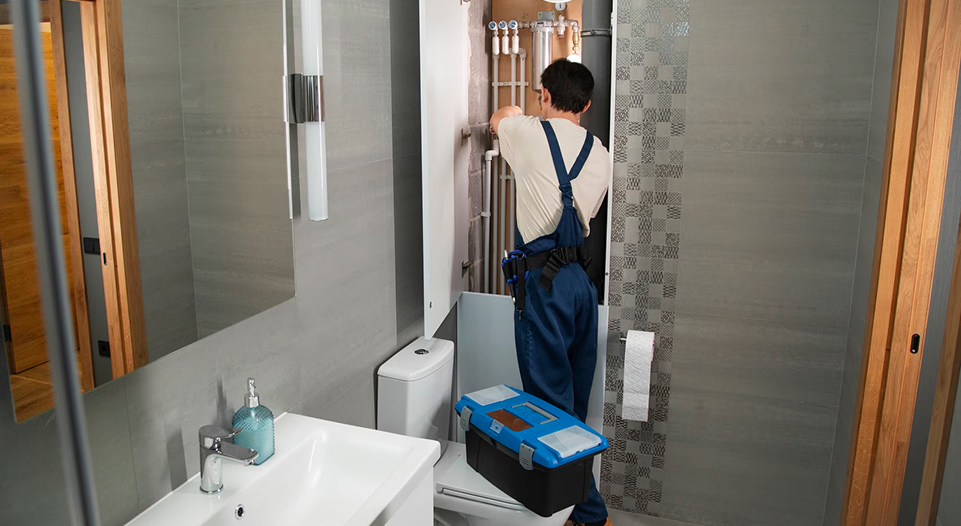
If prevention came too late and you’re facing a clogged toilet that won’t respond to plunging, don’t risk making it worse with chemicals or improvised tools. Our licensed Upland drain technicians handle toilet clogs every day using professional-grade augers and drain machines that resolve the problem safely without damaging your toilet or pipes. We’re available 24/7, provide upfront pricing before starting, and guarantee our work. Call 909-329-2564 or book online to get your bathroom back to normal today.